


BLOGS
The Versatility of a 4 Inch Steel Cutting Disc
A 4 inch steel cutting disc is an essential tool for metalworkers, DIY enthusiasts, and professionals alike. Designed for precision and efficiency, this compact disc excels at cutting through steel, stainless steel, and other tough metals with ease. Its small size makes it ideal for detailed work in tight spaces, while its durability ensures long-lasting performance.
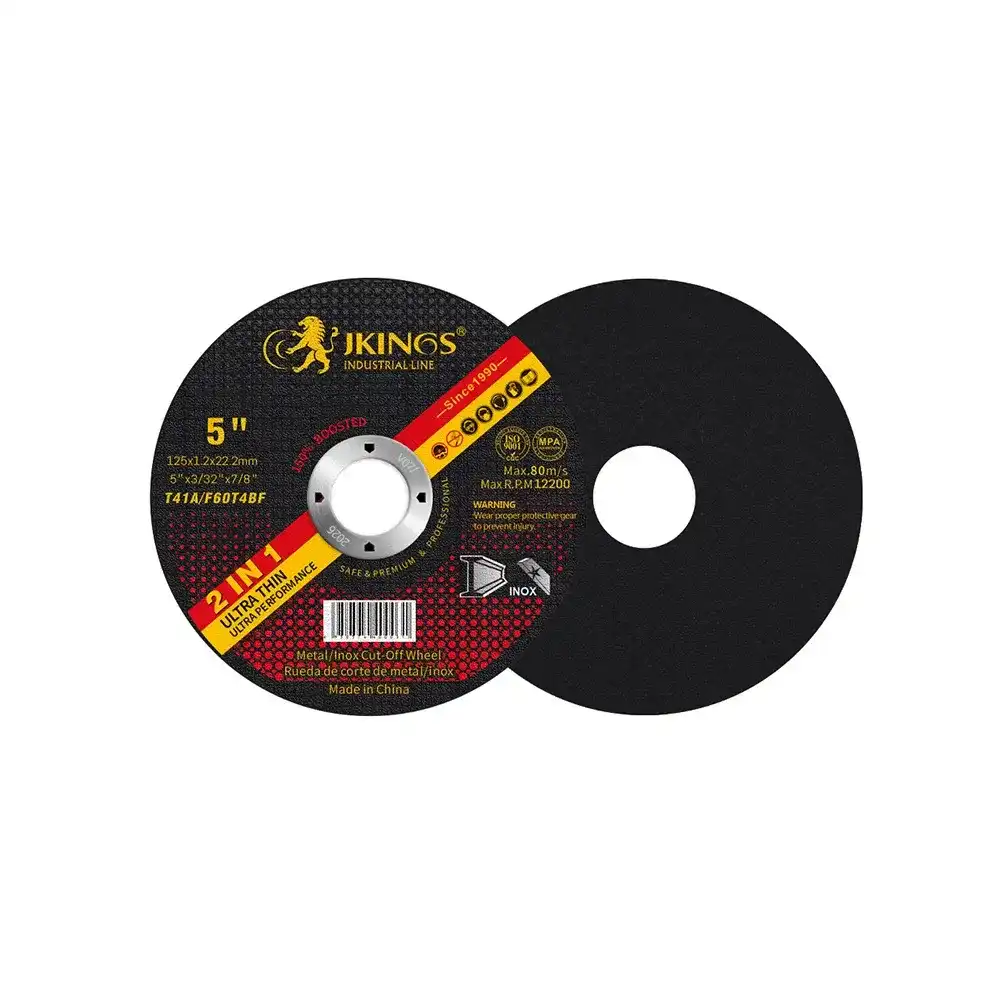
One of the key advantages of a 4 inch steel cutting disc is its compatibility with angle grinders, a common tool in workshops. The disc’s thin design minimizes material waste and reduces friction, allowing for smoother, faster cuts. Whether you’re working on automotive repairs, fabrication, or home projects, a 4 inch steel cutting disc delivers clean, accurate results.
Safety is paramount when using a 4 inch steel cutting disc. Always wear protective gear, secure your workpiece, and ensure the disc is properly mounted. Regular inspections for wear and damage can prevent accidents and extend the disc’s lifespan.
In summary, a 4 inch steel cutting disc is a must-have for anyone dealing with metal. Its precision, efficiency, and versatility make it indispensable for a wide range of applications. Invest in a high-quality 4 inch steel cutting disc to enhance your cutting tasks today!
RELATED NEWS
Saw Blade Wobble and Vibration: Every Cause and Its Fix
A wobbling blade cuts rough, burns wood and wears the saw. Diagnose runout systematically — arbor, flange, blade, or technique — with this checklist.
Negative Hook Angle Explained: When and Why Saw Blades Use It
Hook angle is the most under-specified number on a saw blade — and the one that controls climbing, grabbing and finish. What negative hook does and where it is mandatory.
How to Cut OSB and Chipboard Cleanly: Blades, Setup and Technique
OSB and chipboard dull blades fast and chip at every exit. The blade specs and cutting setup that leave clean, square edges in engineered board.
How to Cut a Perfect 45-Degree Miter: Setup, Blade and Test Cuts
Miters that gap at the corner are never the saw's fault alone. Calibration, the right blade, and the test-cut method for airtight 45-degree joints.
Hardwood vs Softwood: Choosing the Right Saw Blade for Each Wood Species
Oak and pine demand different blades — different tooth counts, hook angles and grinds. A species-by-species guide to clean cuts in any wood.
Best Blade for a Cordless Circular Saw: Thin Kerf, Tooth Count and Battery Life
Cordless saws have less power and a battery to protect. The right blade — thin kerf, correct teeth — can double your cuts per charge.

ONLINE MESSAGE
JKINGS is a global industrial brand committed to high-performance abrasives and tools. Built on advanced Industry 4.0 manufacturing and extensive OEM expertise, we deliver precision, durability, efficiency, and reliability for cutting, grinding, and beyond.
PRODUCTS