


BLOGS
Precision in Motion: The Critical Role of Diamond Blade Cutting Discs
On construction sites and in fabrication shops, the distinct sound of a high-speed cutter slicing through rigid materials signals the use of a fundamental tool: the diamond blade cutting disc. These discs are engineered for tasks where conventional abrasives fall short, offering superior performance on hard, dense substances through a cutting-edge mechanism of continuous diamond grit exposure.
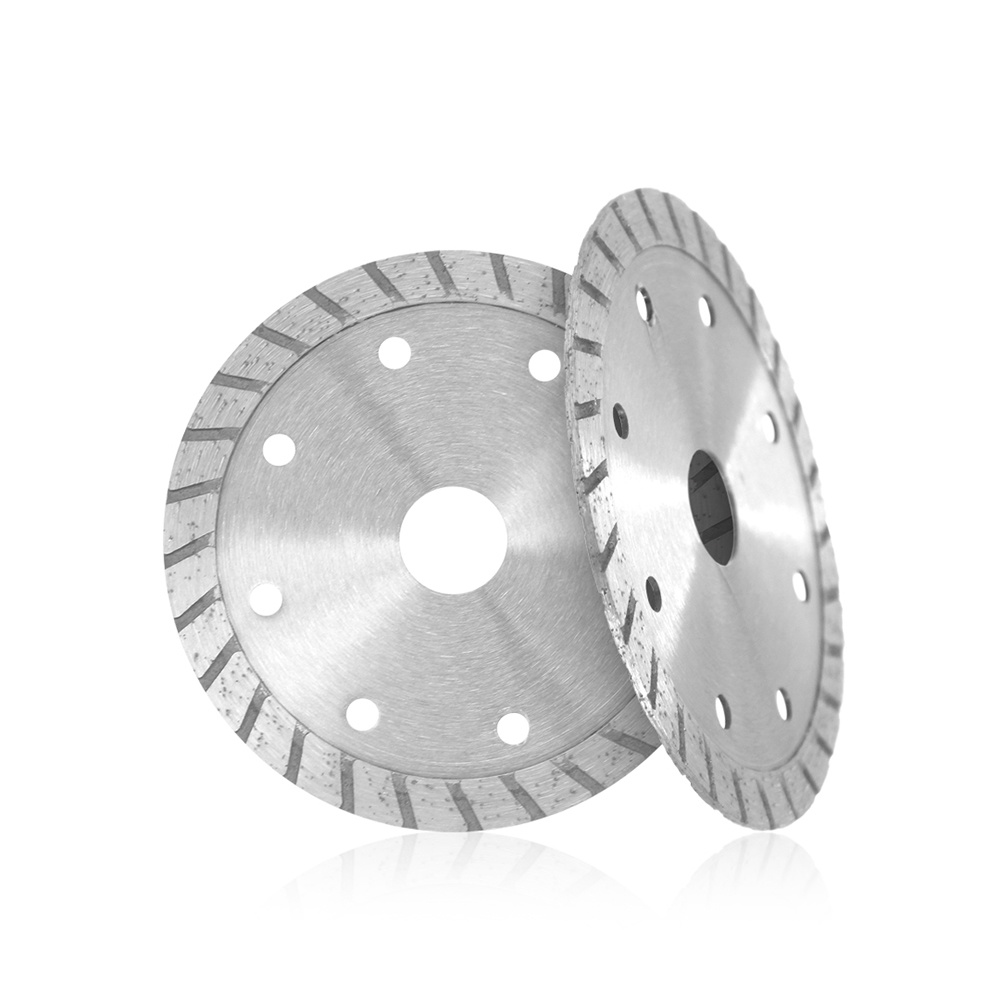
A diamond blade cutting disc is a circular saw blade with diamond crystals fixed to its edge. Unlike abrasive wheels that grind through material, these blades cut via the microscopic diamonds, which are the hardest known material, scoring and fracturing the workpiece at a molecular level. This makes them indispensable for processing reinforced concrete, asphalt, ceramics, granite, and other hard alloys. The primary application fields include construction, masonry, tile installation, and precision cutting in the semiconductor industry.
The design and construction of a diamond blade are tailored to its specific use. Segmented rims with gullets facilitate faster cutting and cooling, making them ideal for dry cutting concrete and masonry. Continuous rim blades, often used with water for cooling, provide cleaner cuts in porcelain tiles and delicate materials. The core distinction lies in the bonding system that holds the diamonds, which wears away at a controlled rate to constantly expose fresh, sharp diamond particles.
Selecting the correct cutting disc is a technical decision. For instance, a reinforced diamond blade is necessary for cutting rebar within concrete to prevent shredding, while a turbo rim design offers a balance between speed and finish quality. The mode of operation—whether wet or dry cutting—also dictates the appropriate blade type to prevent overheating and ensure operator safety.
The effectiveness of a diamond cutting disc is not inherent; it is maximized only when matched with the correct machinery, including adequate horsepower and rotational speed, and used with proper technique. Understanding the material to be cut is the first step in selecting the right blade, ensuring efficiency and longevity of the tool itself.
RELATED NEWS
What Is a Wet Cutting Diamond Blade? Applications & Benefits
A wet cutting diamond blade uses continuous water flow during operation to cool the blade, suppress dust, and extend cutting life. At JKINGS, we manufacture professional-grade wet diamond saw blades for stone fabricators, tile contractors, and concrete specialists who demand precision and clean cuts.
The Best 5 Inch Cutting Disc Factory
The 5 inch (125mm) cutting disc is one of the most popular sizes globally, used in metal fabrication, construction, automotive repair, and countless DIY applications. Finding the right manufacturer for your 5 inch cutting discs can significantly impact your product quality, costs, and supply reliability. This guide explores the best 5 inch cutting disc factories worldwide.
What Is a Dry Cutting Diamond Blade Used For?
A dry cutting diamond blade is a specialized cutting tool designed to cut through hard materials without the use of water cooling. At JKINGS, we manufacture industrial-grade dry cut diamond saw blades that deliver fast, clean cuts in concrete, brick, stone, and masonry materials. Unlike wet cutting blades that require a constant water supply, dry diamond blades feature advanced segment design and cooling slots that dissipate heat through air flow. This makes them ideal for jobsites where water is unavailable or inconvenient.
Why Do Cutting Discs Break from the Middle?
At JKINGS, we take every piece of customer feedback seriously. Recently, several clients have reported instances where cutting discs fractured from the center during operation. After thorough technical analysis and field testing at our Yongkang facility, our engineering team has identified the root cause—and it is not a product defect.
What Is a Segmented Diamond Saw Blade Used For?
A dry cutting diamond blade is a specialized cutting tool designed to cut through hard materials without the use of water cooling. At JKINGS, we manufacture industrial-grade dry cut diamond saw blades that deliver fast, clean cuts in concrete, brick, stone, and masonry materials.
How to Identify Premium Quality Flap Discs: 7 Key Indicators for Industrial Buyers
Premium flap discs can be identified by examining their backing plate material, abrasive grain type (zirconia or ceramic), flap density, fiberglass mesh layers, balance tolerance, safety certifications (MPA/EN 12413), and manufacturer quality control processes.

ONLINE MESSAGE
JKINGS is a global industrial brand committed to high-performance abrasives and tools. Built on advanced Industry 4.0 manufacturing and extensive OEM expertise, we deliver precision, durability, efficiency, and reliability for cutting, grinding, and beyond.