


BLOGS
The Global Cutting Disc Market Accelerates: Demand for High-Precision Cutting and Technological Upgrades Drive Growth Toward $2.35 Billion by 2031
The Global Cutting Disc Market Accelerates: Demand for High-Precision Cutting and Technological Upgrades Drive Growth Toward $2.35 Billion by 2031
The global cutting disc market is experiencing a wave of rapid development, driven by the rising need for high-efficiency, precision cutting in modern manufacturing. According to the latest QYResearch report, the market is expected to grow from $1.63 billion in 2024 to $2.35 billion by 2031, with a compound annual growth rate (CAGR) of 5.6% from 2025 to 2031.
01. Key Drivers of Cutting Disc Market Growth
Cutting discs—especially bonded abrasives and superhard segment blades—are essential tools in metalworking, construction, and high-end manufacturing. As industries upgrade toward faster, cleaner, and safer cutting, demand for more durable and specialized cutting discs continues to rise.
At the same time, technological innovation is transforming the performance of cutting wheels. Advances in abrasive materials, bonding technology, and disc design geometry are allowing for:
Faster cutting speeds
Reduced material loss
Longer lifespan
Lower vibration and noise levels
Compatibility with multiple materials (steel, stone, ceramics, etc.)
02. Asia-Pacific on the Rise – China Leading the Charge
The Asia-Pacific region, particularly China, has become the focal point of growth in the global cutting disc market. As China undergoes manufacturing transformation—from heavy industries to advanced manufacturing—its domestic demand for high-performance cutting solutions is booming.
In addition, Chinese brands are rapidly expanding overseas by offering cost-effective, high-precision cutting disc solutions, especially in Southeast Asia, the Middle East, and Africa. Many local companies are shifting away from high-cost European brands in favor of technologically competitive Chinese products.
03. Competitive Landscape: International Giants vs. Rising Players
The cutting disc industry has long been dominated by major international players such as:
Saint-Gobain (Norton)
Tyrolit
PFERD
3M
Bosch
However, a new wave of Chinese and Indian manufacturers are emerging with strong R&D capabilities and lower production costs. Brands like JKINGS, Golden Lion, and others are introducing segmented and continuous rim cutting discs with nano-bond technology, aiming to challenge traditional players in both quality and price.
04. Product Segmentation and Innovation
Cutting discs are typically segmented by:
Type: Flat (T41), Depressed Center (T42), Turbo, Segmented, Continuous Rim
Abrasive Material: Aluminum oxide, zirconia alumina, silicon carbide, diamond
Cutting Method: Dry cutting vs. Wet cutting
Applications: Metal, stainless steel, concrete, ceramics, cast iron
New innovation trends include:
Reinforced fiberglass mesh layers for higher safety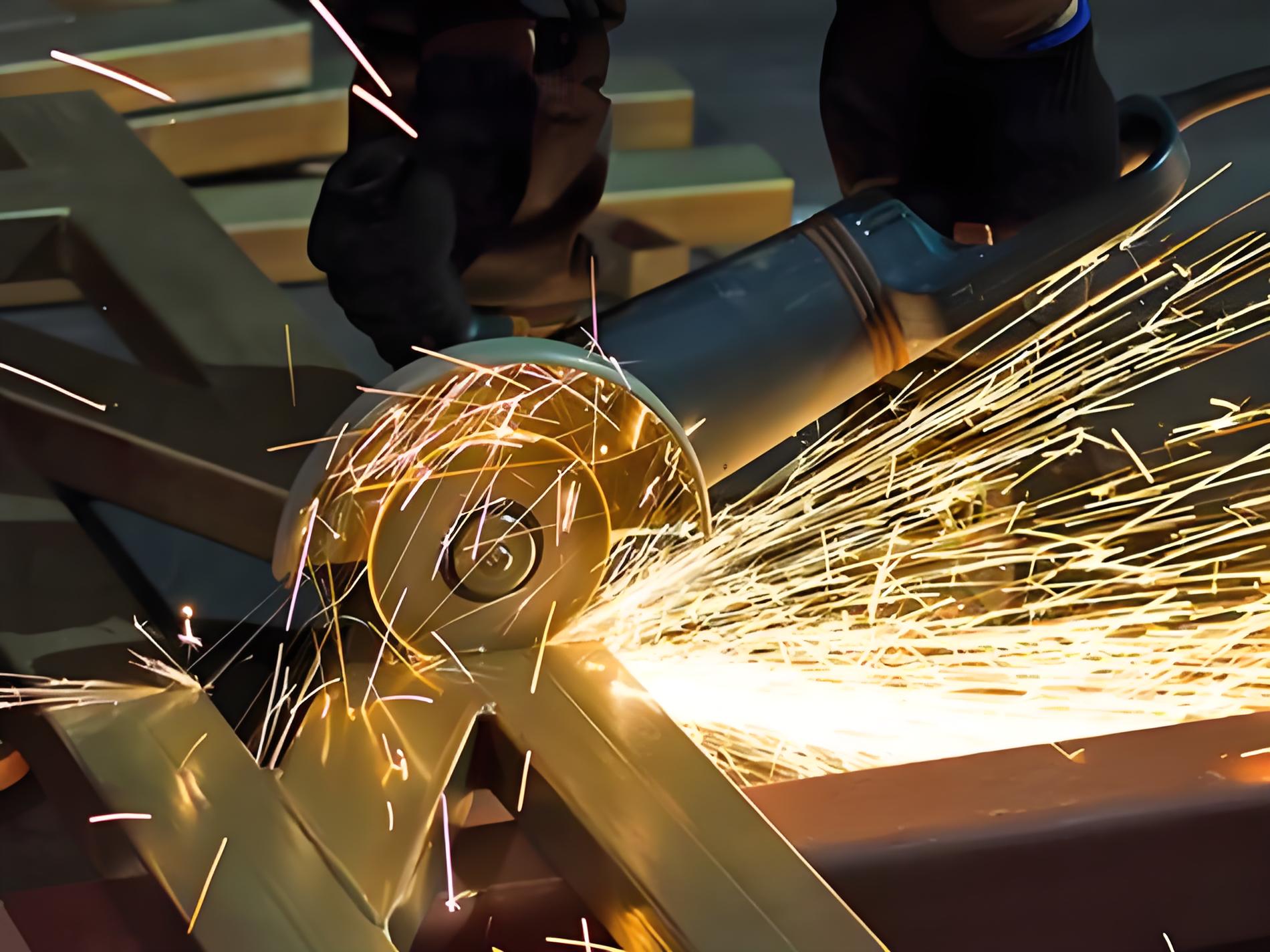
Laser-welded segmented blades for fast, aggressive cutting
Continuous rim diamond wheels for chip-free tile and glass cutting
Low-vibration disc designs for better operator comfort and control
Multi-purpose hybrid blades (cut + grind)
05. Application Fields Continue to Expand
Cutting discs are widely used in:
Metal fabrication and steel construction
Shipbuilding and pipeline work
Rail and infrastructure projects
Ceramic and tile installation
Stone cutting and decoration
Automotive and aerospace repair
DIY and consumer hardware
The rise of new energy vehicles (NEVs) and solar PV infrastructure is creating demand for ultra-thin precision cutting discs, especially in silicon wafer slicing and battery material processing.
06. Future Trends and Market Outlook
The cutting disc market is expected to maintain robust global growth through 2031, with demand shifting toward:
Eco-friendly discs using sustainable resin systems and recyclable materials
Smart cutting tools with wear sensors and performance feedback
Localized production and faster supply chains to meet regional needs
Customized OEM/ODM solutions tailored to niche industries and machines
However, the industry also faces challenges:
Raw material price volatility (resin, aluminum oxide, zirconia, etc.)
Increased environmental regulations on dust, noise, and waste
Fierce price competition in entry-level products
To stay competitive, manufacturers must invest in process automation, quality control, and brand differentiation, while focusing on customer education and service.
Conclusion
From large-scale steel cutting to fine ceramic slicing, cutting discs remain a critical component in global industrial productivity. As the world moves toward smarter, faster, and greener production, cutting disc manufacturers must adapt with technological upgrades, application expansion, and customer-centric innovation.
The future of the cutting disc industry isn’t just sharper—it’s smarter.
RELATED NEWS
Saw Blade Wobble and Vibration: Every Cause and Its Fix
A wobbling blade cuts rough, burns wood and wears the saw. Diagnose runout systematically — arbor, flange, blade, or technique — with this checklist.
Negative Hook Angle Explained: When and Why Saw Blades Use It
Hook angle is the most under-specified number on a saw blade — and the one that controls climbing, grabbing and finish. What negative hook does and where it is mandatory.
How to Cut OSB and Chipboard Cleanly: Blades, Setup and Technique
OSB and chipboard dull blades fast and chip at every exit. The blade specs and cutting setup that leave clean, square edges in engineered board.
How to Cut a Perfect 45-Degree Miter: Setup, Blade and Test Cuts
Miters that gap at the corner are never the saw's fault alone. Calibration, the right blade, and the test-cut method for airtight 45-degree joints.
Hardwood vs Softwood: Choosing the Right Saw Blade for Each Wood Species
Oak and pine demand different blades — different tooth counts, hook angles and grinds. A species-by-species guide to clean cuts in any wood.
Best Blade for a Cordless Circular Saw: Thin Kerf, Tooth Count and Battery Life
Cordless saws have less power and a battery to protect. The right blade — thin kerf, correct teeth — can double your cuts per charge.

ONLINE MESSAGE
JKINGS is a global industrial brand committed to high-performance abrasives and tools. Built on advanced Industry 4.0 manufacturing and extensive OEM expertise, we deliver precision, durability, efficiency, and reliability for cutting, grinding, and beyond.
PRODUCTS