


BLOGS
Cutting Stainless Steel: Key Requirements and Best Practices
Aug 30,2025
Cutting Stainless Steel: Key Requirements and Best Practices
Stainless steel is widely used across construction, industrial, and manufacturing sectors due to its high strength, corrosion resistance, and durability. However, its hardness also makes cutting a technical challenge that requires the right tools, materials, and techniques—especially when using cutting discs. Below are the essential requirements and best practices for cutting stainless steel safely and efficiently.
I. General Requirements for Cutting Stainless Steel
Avoid improper cutting methods
Plasma cutting is not recommended due to excessive heat generation and potential material distortion.
Mechanical cutting methods using dedicated cutting discs are preferred.
Use proper tools and consumables
Only use abrasive cutting discs specifically designed for stainless steel.
Do not use cutting discs that have previously been used on carbon steel, as this may lead to contamination and corrosion.
For precision applications, consider using chromium-plated or nitrided saw teeth to reduce deformation during high-heat operations.
Cutting methods
Cutting can be performed either manually (e.g., angle grinder) or mechanically (e.g., chop saw, cold saw) depending on the work environment and production scale.
II. Technical Specifications and Quality Requirements
When using cutting discs for stainless steel, the following quality standards must be met:
Flat cut surface: Must be smooth and free from cracks, burrs, heavy skin, or visible defects such as slag, oxides, iron filings, or shrink cavities.
End face deviation:
Angular deviation should not exceed 1% of the outer diameter or 3mm, whichever is smaller.
Convexity error must not exceed 1mm.
III. Understanding Material Properties
Stainless steel often comes in sheet or pipe form and requires on-site cutting during installation. There are typically two forms:
Sheet-formed angle steel: Produced by slitting and bending stainless steel sheets into a 90° angle.
Hot-rolled angle steel: Rolled directly at the mill with a raw silver-gray surface. This surface can be polished for a more aesthetic, mirror-like finish.
These forms of stainless steel are known for their high hardness, which makes them wear-resistant but also harder to cut.
IV. Cutting Parameters and Operational Considerations
Cutting Speed & Power
Stainless steel requires slow, stable cutting speeds due to its high density and heat sensitivity.
Rotational speed should be around 300 RPM or adjusted depending on the size and thickness of the workpiece.
Avoid excessive pressure or high-speed cutting, as it may cause overheating, warping, or disc breakage.
Heat Management
Stainless steel generates significant heat during cutting.
Use proper cutting fluids such as mineral oil, vegetable-based lubricants, or water-based emulsions to manage temperature and extend tool life.
Ensure consistent cooling, lubrication, and chip removal to prevent work hardening and improve finish quality.
V. Safety and Maintenance Tips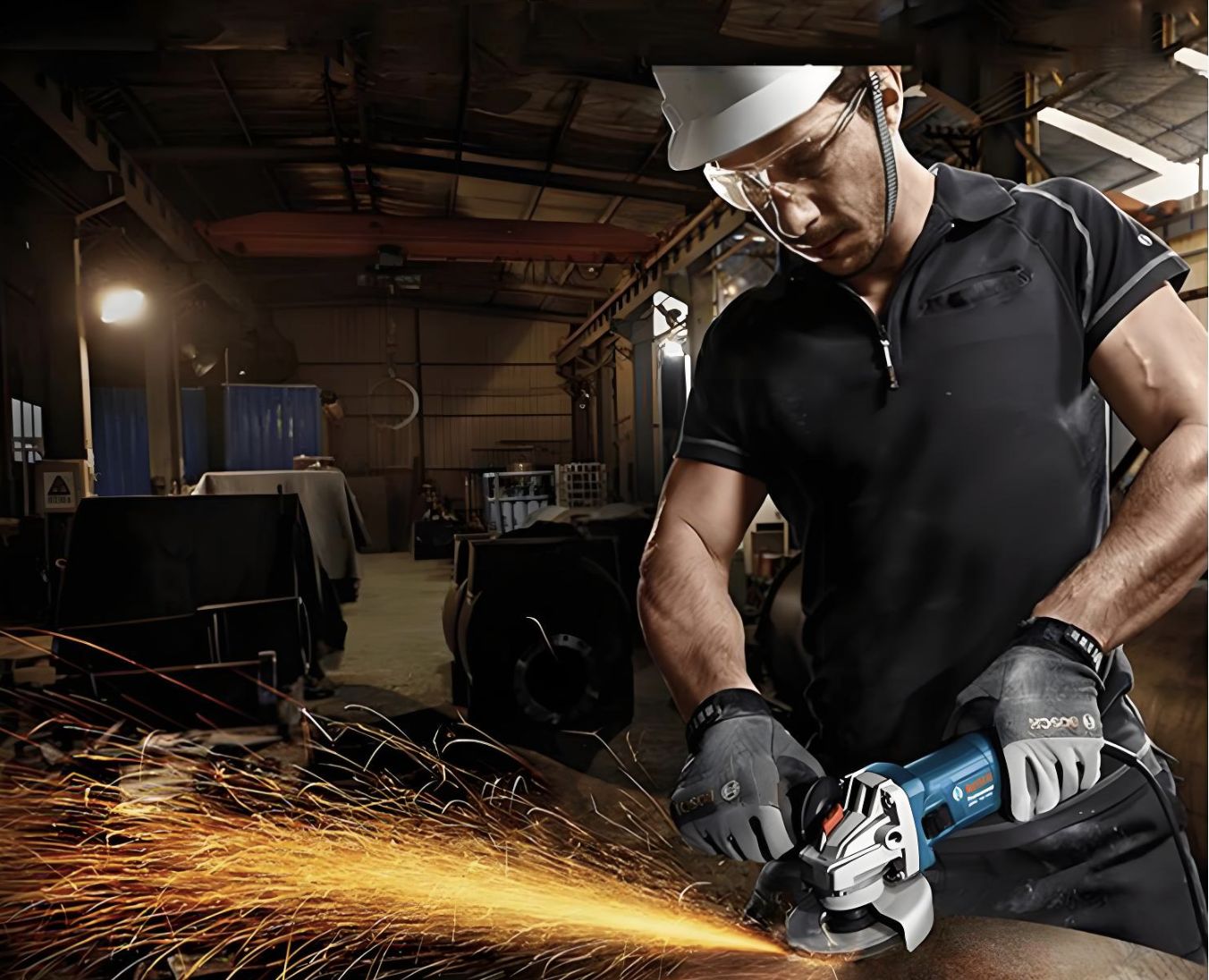
Always wear protective gear, including gloves, goggles, and face shields.
Use ISO-certified cutting discs with clear markings for speed rating and material compatibility.
Replace the cutting disc if it becomes chipped, cracked, or worn beyond the wear limit.
Secure the workpiece properly to avoid vibration or slippage during operation.
Check for disc rotation direction and arbor size compatibility (e.g., 22.2mm or 25.4mm).
✅ Conclusion
Cutting stainless steel with precision and safety requires more than just the right tool—it demands attention to detail in terms of material characteristics, equipment setup, cutting parameters, and heat control. By using dedicated stainless steel cutting discs, adopting correct cutting techniques, and implementing safe operating practices, manufacturers and technicians can achieve clean, efficient cuts while preserving the structural integrity of the workpiece.
"Stainless steel is tough—but with the right disc, speed, and cooling, even the hardest metal yields to precision."
RELATED NEWS
Stricter Environmental Regulations Usher in a Green Revolution in the Cutting Disc Industry
By 2028, the penetration rate of environmentally friendly cutting discs is expected to surpass 60%, marking the arrival of a refined, professional, and sustainable new era for the industry.
Abrasive Wheels Enter the Age of Intelligence: Driving a 300% Boost in Automated Cutting Efficiency
From semiconductors to structural steel, from medical implants to solar panels, intelligent grinding wheels are no longer silent contributors—but vital agents of a smarter, faster, and more sustainable future.
Nanodiamond and Composite Bonding Technology Usher in a New Era of Cutting Disc Performance
With nanodiamond abrasives, intelligent sensors, and green binder systems, the future of cutting is sharper, smarter, and more sustainable than ever before.
Grinding Wheel Flap Discs Company
Grinding wheel flap discs are versatile abrasives. They feature multiple overlapping flaps that offer consistent grinding performance. Ideal for various materials like metal, wood, and stone, these discs can efficiently remove rust, burrs, and old paint.
Cutting Disc Industry Report 2025: A New Era of Precision, Efficiency, and Sustainability
JKINGS, as an emerging force, is committed to pioneering smart manufacturing, ultra-thin disc innovation, and sustainable production—aiming to become a global benchmark in next-generation cutting solutions.
Advanced Diamond Blades for Concrete: Enhancing Cutting Efficiency
For professionals working with concrete, the choice of cutting equipment is critical to project success and cost-effectiveness. Diamond blades for concrete represent the pinnacle of cutting technology, engineered specifically to tackle the abrasive and tough nature of concrete materials.

ONLINE MESSAGE
JKINGS is a global industrial brand committed to high-performance abrasives and tools. Built on advanced Industry 4.0 manufacturing and extensive OEM expertise, we deliver precision, durability, efficiency, and reliability for cutting, grinding, and beyond.