


BLOGS
How to Cut Stainless Steel: Methods, Precautions, and Best Practices
Aug 01,2025
How to Cut Stainless Steel: Methods, Precautions, and Best Practices
Stainless steel is a commonly used industrial material, widely seen in daily life and construction. However, due to its high hardness and corrosion resistance, cutting stainless steel requires appropriate tools and techniques. In this article, we’ll explore the common methods of cutting stainless steel, precautions you should take, and how to ensure both cutting efficiency and personal safety.
1. Common Methods for Cutting Stainless Steel
Depending on the thickness, type, and required precision, the following cutting methods can be used:
1.1 Cutting with Abrasive Cutting Discs
Using a high-speed cutting machine equipped with a cutting disc is one of the most commonly used methods. This method is suitable for general applications, especially when a simple, fast, and cost-effective solution is needed.
🔧 Recommended: Use a resin-bonded cutting disc specifically designed for stainless steel (e.g., zirconia or alumina-based) for better durability, clean cuts, and heat resistance.
1.2 Laser Cutting
Laser cutting offers extremely precise and clean edges and is suitable for cutting thin to medium-thickness stainless steel sheets. It is ideal for industries requiring high precision and minimal material deformation, such as aerospace or kitchenware.
1.3 Waterjet Cutting
Waterjet cutting uses high-pressure water mixed with abrasive particles. It is suitable for cutting thick stainless steel or complex shapes without generating heat, which prevents material hardening or distortion.
2. Key Considerations When Cutting Stainless Steel
2.1 Different Grades Require Different Approaches
Stainless steel comes in multiple grades—such as 304, 316, 201, etc.—each with varying hardness and chemical composition:
304 Stainless Steel: Most commonly used and relatively hard; recommended for laser cutting or high-performance abrasive discs.
316 Stainless Steel: Known for its corrosion resistance; cutting requires more durable blades or discs.
201 Stainless Steel: Softer than 304/316; can be cut more easily using standard methods.
Choosing the right cutting method and tool depends on the specific grade and thickness of the stainless steel.
2.2 Choose the Right Blade or Disc Material
When using cutting machines, always select the proper blade:
For pipe cutting or general fabrication, HSS-DMo5 high-speed steel blades are suitable.
For manual cutting machines, resin cutting discs made with zirconium oxide or aluminum oxide abrasives are recommended for stainless steel due to their sharpness and wear resistance.
2.3 Safety Comes First
Cutting stainless steel involves high-speed rotation, sparks, and potential debris. Follow these safety measures:
Always wear protective equipment: goggles, gloves, face shield, and long sleeves.
Ensure proper machine guarding and maintain safe operating conditions.
Secure the workpiece properly before cutting—especially for pipe or tubular materials, use multi-point clamping to prevent movement or rebound.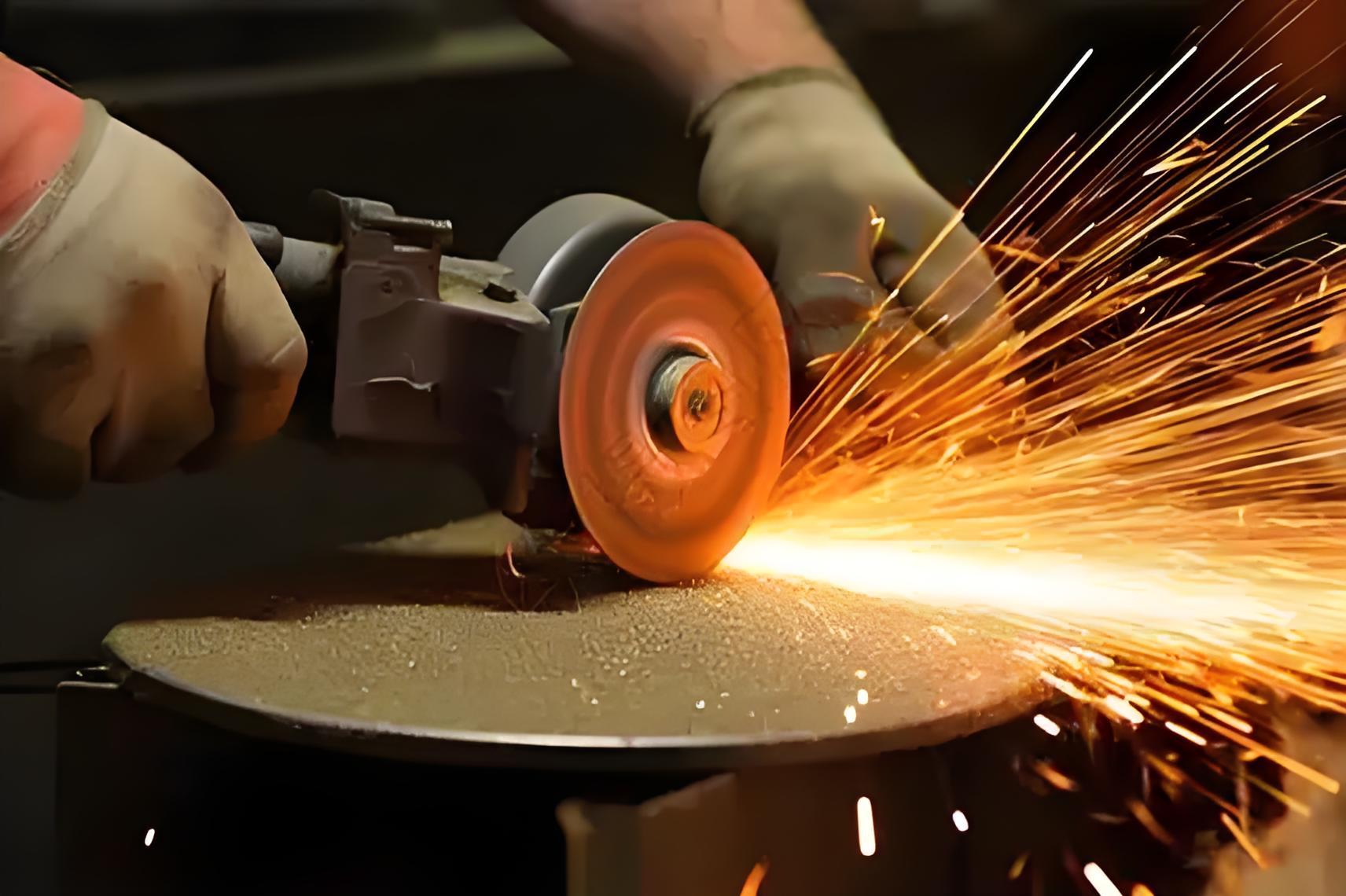
3. Final Thoughts
Cutting stainless steel isn’t as simple as it seems—it requires the right tools, proper technique, and most importantly, attention to safety. Choosing the correct cutting method and disc not only improves efficiency but also ensures clean results and reduces the risk of damage to both the material and the operator.
Whether you're cutting stainless steel in a workshop or on-site, remember:
Know your material grade
Use the right cutting tools
Prioritize safety at every step
If you’re looking for high-performance cutting discs specifically engineered for stainless steel, JKINGS offers a wide range of professional solutions trusted by global industries. Contact us to learn more or request product recommendations based on your application.
RELATED NEWS
High-Performance, Long-Lasting Flap Disc for Metal Grinding, Blending, Finishing, and Surface Polishing Applications
Flap discs are abrasive tools for grinding, blending, and finishing metal, offering long life, smooth finishes, and efficient material removal.
Stricter Environmental Regulations Usher in a Green Revolution in the Cutting Disc Industry
By 2028, the penetration rate of environmentally friendly cutting discs is expected to surpass 60%, marking the arrival of a refined, professional, and sustainable new era for the industry.
Abrasive Wheels Enter the Age of Intelligence: Driving a 300% Boost in Automated Cutting Efficiency
From semiconductors to structural steel, from medical implants to solar panels, intelligent grinding wheels are no longer silent contributors—but vital agents of a smarter, faster, and more sustainable future.
Nanodiamond and Composite Bonding Technology Usher in a New Era of Cutting Disc Performance
With nanodiamond abrasives, intelligent sensors, and green binder systems, the future of cutting is sharper, smarter, and more sustainable than ever before.
Grinding Wheel Flap Discs Company
Grinding wheel flap discs are versatile abrasives. They feature multiple overlapping flaps that offer consistent grinding performance. Ideal for various materials like metal, wood, and stone, these discs can efficiently remove rust, burrs, and old paint.
Cutting Disc Industry Report 2025: A New Era of Precision, Efficiency, and Sustainability
JKINGS, as an emerging force, is committed to pioneering smart manufacturing, ultra-thin disc innovation, and sustainable production—aiming to become a global benchmark in next-generation cutting solutions.

ONLINE MESSAGE
JKINGS is a global industrial brand committed to high-performance abrasives and tools. Built on advanced Industry 4.0 manufacturing and extensive OEM expertise, we deliver precision, durability, efficiency, and reliability for cutting, grinding, and beyond.