


BLOGS
At JKINGS, every cutting disc we produce is built for high performance, long life, and most importantly — safety. One of the most important quality control steps during the manufacturing of grinding wheels and ultra-thin cutting discs is static balancing.
What Is Static Balance — and Why Does It Matter?
Static balance refers to ensuring the center of gravity of the disc perfectly aligns with its rotational axis. If a disc is not properly balanced, it will cause vibration when spinning at high speed — even a slight imbalance can lead to serious consequences, such as:
Poor cutting precision
Increased wear on machinery
Operator fatigue
Risk of disc breakage or dangerous accidents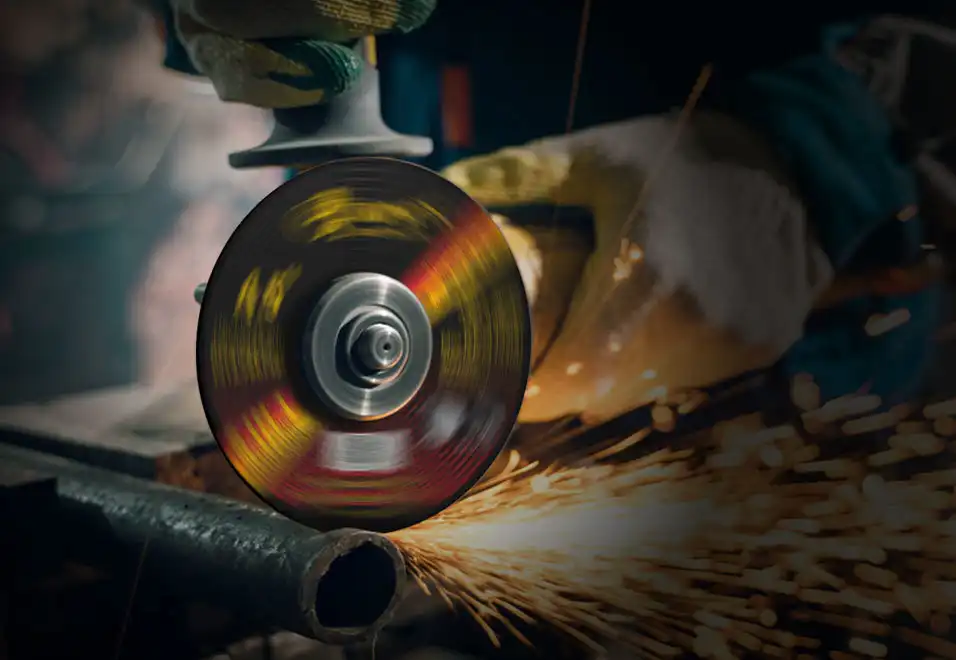
This is especially critical for ultra-thin high-speed cutting discs, where stability at high RPMs is non-negotiable.
How Static Balance Is Performed at JKINGS
At JKINGS, we conduct strict static balance testing before every batch of discs leaves our factory. The process includes:
Mounting the disc with the flange on a high-precision balancing mandrel.
Placing it on a balance frame to observe rotational drift.
Adjusting balance weights until the disc remains stationary in all positions.
Rechecking until perfect balance is achieved.
Only discs that pass this test — along with our concentricity and rotational strength checks — are approved for packaging.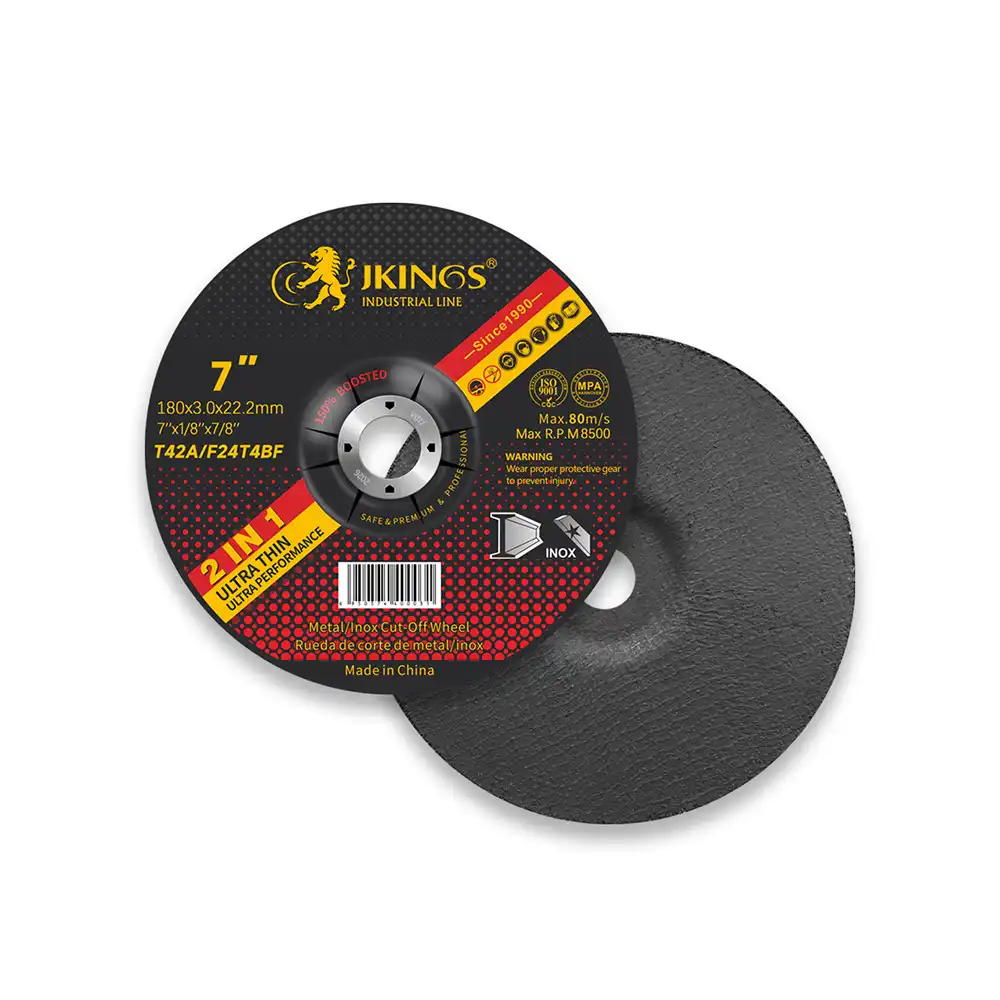
Why This Matters for Our Customers
End users should never need to perform static balance themselves. With JKINGS, each disc is ready-to-use and balanced to perform under extreme working conditions.
By ensuring precise static balance at the factory level, we help our users:
Achieve smoother, faster, and more accurate cuts
Protect their machinery and operators
Avoid costly damage or injury
Maintain consistent product quality in industrial production lines
Trust in JKINGS Quality
With over 30 years of abrasive manufacturing expertise, JKINGS combines OEM-level precision with our own brand’s commitment to safety and performance. Static balance isn’t just a technical term — it’s a core part of what makes JKINGS discs trusted by professionals worldwide.
At JKINGS, we balance every disc — so you don’t have to.
This is our promise of safety, reliability, and industrial-grade performance, straight out of the box.
RELATED NEWS
End Brush (Shaft-Mounted): Precision Wire Brushes for Die Grinders
Shaft-mounted end brushes fit die grinders for deburring, derusting and cleaning in holes, corners and internal surfaces. Sizes 40–80mm, uses and tips.
How to Cut Rebar with an Angle Grinder: Disc Choice and Technique
The fastest way to cut rebar on site is an angle grinder with the right disc. Which disc, what thickness, and the technique for clean, fast rebar cuts.
4 Inch Circular Saw Blade for Wood (110mm): 30T vs 40T Guide
The 4 inch (110mm) circular saw blade for wood fits trim saws and compact circular saws. 30T vs 40T tooth choice, specs, uses and buying tips.
4.5 Inch Flap Disc (115mm): The Standard for Weld Grinding & Finishing
The 4.5 inch flap disc (115mm) fits the world's most common angle grinder. Shape, grit and abrasive selection guide for weld dressing, deburring and finishing.
Knotted vs Crimped Wire Brush: Which One for Rust, Paint & Welds?
Knotted (twisted) wire brushes cut aggressively for heavy rust and welds; crimped brushes finish finer for paint and light cleaning. Full comparison guide.
How to Cut Aluminum with an Angle Grinder Without Clogging the Disc
Aluminum clogs ordinary discs in seconds. The right discs, blades and technique for clean aluminum cuts with an angle grinder — sheet, bar and profile.

ONLINE MESSAGE
JKINGS is a global industrial brand committed to high-performance abrasives and tools. Built on advanced Industry 4.0 manufacturing and extensive OEM expertise, we deliver precision, durability, efficiency, and reliability for cutting, grinding, and beyond.
PRODUCTS