


BLOGS
JKINGS Reveals: Key Factors to Consider When Choosing Cutting Disc Manufacturers
In today’s industrial landscape, cutting discs are essential tools — from construction sites to metal fabrication workshops. But not all discs are created equal. The performance and reliability of a cutting disc can greatly impact your productivity, safety, and final product quality. So, how do you choose the right manufacturer in a crowded market? Based on years of experience in the abrasives industry, JKINGS summarizes the key considerations to help you make the right decision.
1. Know Your Cutting Disc Types
Before anything else, identify which type of disc fits your application. Are you cutting stainless steel, rebar, or concrete?
Abrasive cutting discs (like JKINGS Classic) are ideal for metals.
Diamond cutting discs suit harder materials such as tile or concrete.
Choosing the wrong type can lead to slow performance, excess wear, and even danger. At JKINGS, we offer a range of purpose-built discs to ensure you never have to compromise on efficiency or safety.
2. Manufacturer Reputation Matters
There are countless low-cost, unbranded products in the market — many sacrifice quality for price.
JKINGS has built a global reputation based on consistency, quality assurance, and long-term partnerships. Our clients know they can rely on us — not only for superior products, but also for our professional support and service.
3. Material Quality = Performance
The core of any good cutting disc lies in its raw materials. From premium abrasives to reinforced fiberglass mesh, JKINGS uses only carefully selected materials to ensure:
Faster cuts
Longer service life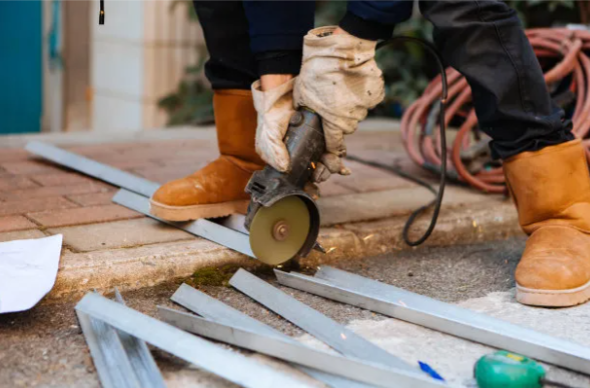
Reduced vibration and breakage risk
We don’t just meet industry standards — we aim to exceed them.
4. Advanced Processing Technology
Not all discs are manufactured equally. Some rely on outdated production methods, resulting in uneven quality.
At JKINGS, we use advanced resin bonding and strict quality control to ensure every disc delivers precise, stable performance — even under tough conditions.
5. After-Sales Support You Can Count On
What happens if there’s a problem? With JKINGS, you’re backed by a responsive, professional support team. Whether it’s technical consultation or product feedback, we’re committed to your success long after delivery.
6. True Cost-Effectiveness
Yes, price matters — but value matters more. Low-cost discs often wear out faster, cut less efficiently, and can even be dangerous. JKINGS cutting discs are engineered to save you money in the long run by delivering more cuts per disc, with less downtime and waste.
Conclusion
Choosing a cutting disc manufacturer is not just about buying a product — it’s about securing performance, reliability, and peace of mind. With JKINGS, you don’t have to choose between quality and affordability.
We’re proud to be the trusted brand behind thousands of workshops and industrial users worldwide.
Choose smarter. Cut faster. Perform better — with JKINGS.
RELATED NEWS
Saw Blade Wobble and Vibration: Every Cause and Its Fix
A wobbling blade cuts rough, burns wood and wears the saw. Diagnose runout systematically — arbor, flange, blade, or technique — with this checklist.
Negative Hook Angle Explained: When and Why Saw Blades Use It
Hook angle is the most under-specified number on a saw blade — and the one that controls climbing, grabbing and finish. What negative hook does and where it is mandatory.
How to Cut OSB and Chipboard Cleanly: Blades, Setup and Technique
OSB and chipboard dull blades fast and chip at every exit. The blade specs and cutting setup that leave clean, square edges in engineered board.
How to Cut a Perfect 45-Degree Miter: Setup, Blade and Test Cuts
Miters that gap at the corner are never the saw's fault alone. Calibration, the right blade, and the test-cut method for airtight 45-degree joints.
Hardwood vs Softwood: Choosing the Right Saw Blade for Each Wood Species
Oak and pine demand different blades — different tooth counts, hook angles and grinds. A species-by-species guide to clean cuts in any wood.
Best Blade for a Cordless Circular Saw: Thin Kerf, Tooth Count and Battery Life
Cordless saws have less power and a battery to protect. The right blade — thin kerf, correct teeth — can double your cuts per charge.

ONLINE MESSAGE
JKINGS is a global industrial brand committed to high-performance abrasives and tools. Built on advanced Industry 4.0 manufacturing and extensive OEM expertise, we deliver precision, durability, efficiency, and reliability for cutting, grinding, and beyond.
PRODUCTS